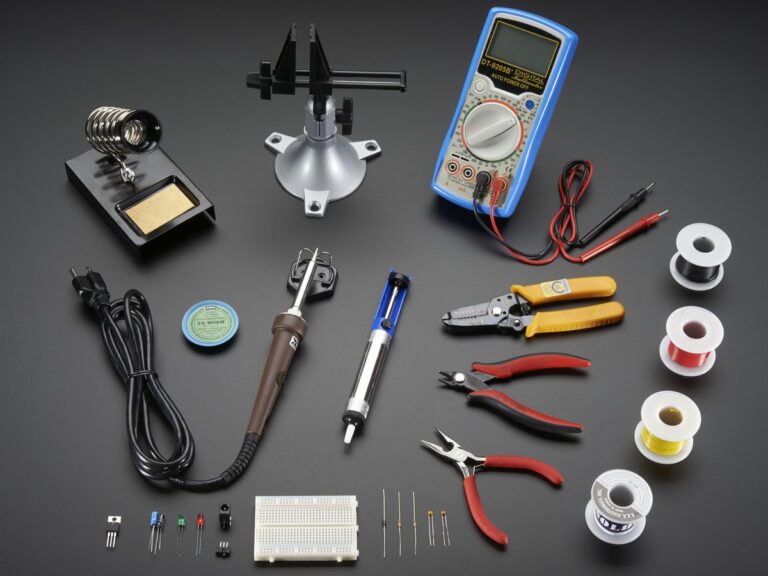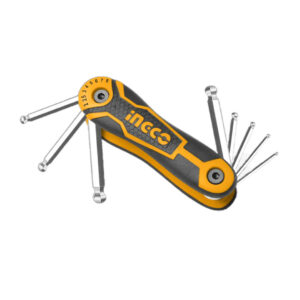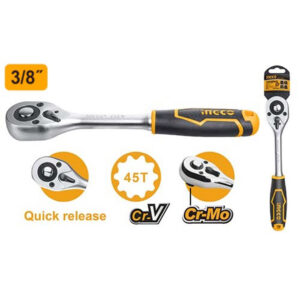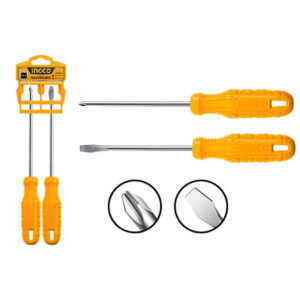
Working with electronics can be fun, rewarding, and even career-building. But whether you are a beginner experimenting with circuits or a professional repairing devices, safety should always come first. Electronics tools—like soldering irons, multimeters, and wire cutters—are extremely useful, but if handled carelessly, they can also cause accidents, damage equipment, or put you at risk of electric shock. By following a few simple safety practices, you can work with confidence while protecting yourself and your tools.
1. Work in a Safe Environment
Before starting any project, set up a clean and organized workspace. Make sure your table is dry, well-lit, and free from clutter. Keep food and drinks away to avoid accidental spills that could damage your tools or components. A non-slip work mat or ESD (Electrostatic Discharge) mat is also a smart investment to protect sensitive parts.
2. Wear Protective Gear
Even small electronics tasks can cause injuries if you’re not careful. Always wear safety glasses when soldering or cutting wires, as tiny bits of solder or metal can fly unexpectedly. If you work with high temperatures, heat-resistant gloves can prevent burns. Proper ventilation is equally important—especially when soldering—to avoid inhaling fumes.
3. Use Tools the Right Way
Every tool has a purpose, and using it incorrectly can lead to accidents. For example:
-
Soldering irons should be placed on a heat-resistant stand when not in use, never left on the table.
-
Wire cutters should only cut wires of recommended thickness, not hard metals.
-
Multimeters must be set to the correct measurement mode before testing a circuit to prevent damage.
Read the instruction manuals for your tools and follow the manufacturer’s guidelines.
4. Be Cautious with Electricity
One of the biggest risks in electronics is electric shock. To stay safe:
-
Always disconnect power before soldering or making wiring changes.
-
Double-check connections before turning on power.
-
Use insulated tools when working with live circuits.
-
Never touch wires with bare hands if you are unsure they are safe.
If you’re a beginner, start with low-voltage projects until you’re more confident handling higher currents.
5. Handle Small Components Carefully
Tiny resistors, capacitors, and ICs may not look dangerous, but mishandling them can cause damage or failure in your projects. Use tweezers for precision and avoid touching components with sweaty or oily fingers. Static electricity from your body can also harm sensitive parts, so grounding yourself or using an ESD wrist strap is highly recommended.
6. Maintain and Store Tools Properly
Well-maintained tools are safer and last longer. Clean your soldering iron tips regularly, sharpen cutters if needed, and replace worn-out parts. After use, store everything in an organized toolbox so sharp edges or hot tools don’t accidentally cause injury.
Final Thoughts
Electronics is a field where patience and safety go hand in hand. By setting up a safe workspace, wearing the right gear, and handling tools responsibly, you can focus on learning, building, and repairing with confidence. At Moghol Engineering, we not only provide high-quality electronics tools but also encourage safe practices for all our customers. Remember—your creativity should shine, not spark accidents.